Table of Contents
Searching for a new horror fix on your PS5 can feel like navigating a haunted house blindfolded. You’re looking for that perfect blend of psychological tension, engaging gameplay, and genuine scares that justifies dropping $40+ on a digital experience. When I first heard about Evil Inside from Jandusoft, I was intrigued by its premise—a teenager investigating his mother’s death through paranormal means. But as any seasoned horror gamer knows, a compelling story concept doesn’t always translate to a satisfying playthrough.
Having spent significant time with Evil Inside across multiple play sessions, I can tell you this isn’t your typical horror title. It occupies a strange space between indie experiment and mainstream psychological thriller, with results that will sharply divide players based on what they value most in their horror experiences. The real question isn’t whether Evil Inside is “good” or “bad”—it’s whether it’s the right kind of horror game for you.
Key Takeaways
- Evil Inside prioritizes atmosphere over polished gameplay, creating tension through environmental storytelling rather than complex mechanics
- The $41.70 price point is controversial given the game’s relatively short length and technical limitations compared to other PS5 horror titles
- Best suited for horror enthusiasts who value psychological tension and narrative over refined gameplay and technical excellence
- Performance varies significantly between the atmospheric highs of environmental design and the frustrations of basic gameplay systems
- Not recommended for players seeking AAA production values, lengthy campaigns, or tightly designed survival horror mechanics
Quick Verdict
Evil Inside is best for: Horror completionists who’ve played everything else, players who prioritize psychological atmosphere over gameplay polish, and those curious about experimental indie horror approaches.
Not ideal for: Gamers expecting AAA production values, players who value tight controls and polished mechanics, anyone sensitive to inconsistent performance, or those looking for lengthy gameplay sessions.
Core strengths: The game’s shifting environment creates genuine unease, the psychological themes are handled with some subtlety, and the sound design effectively builds tension in key moments.
Core weaknesses: Technical limitations are immediately apparent, gameplay mechanics feel underdeveloped, and the price-to-content ratio may disappoint compared to alternatives.
Product Overview & Specifications
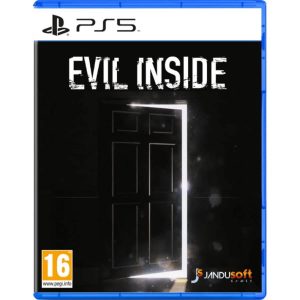
Evil Inside places you in the role of Mark, a teenager grappling with the aftermath of his mother’s death and his father’s subsequent imprisonment. The core premise involves exploring a mysterious house that physically and psychologically shifts around you as you attempt to piece together a spiritual board to contact your mother’s spirit. This isn’t a traditional haunted house story—the environment itself becomes an antagonist, warping and changing to reflect Mark’s deteriorating mental state.
The gameplay loop involves exploration, light puzzle-solving, and navigating paranormal events that challenge both your perception and survival instincts. Unlike horror games that rely heavily on combat or elaborate set pieces, Evil Inside focuses on creating discomfort through environmental manipulation and psychological tension.
| Specification | Details |
|---|---|
| Platform | PS5 |
| Developer | JanduSoft |
| Genre | Psychological Horror |
| Price | $41.70 |
| Play Style | First-person exploration |
| Key Features | Dynamic environment, psychological narrative, spiritual board mechanics |
| Estimated Playtime | 3-5 hours |
What makes Evil Inside noteworthy is its commitment to psychological horror over jump scares. While many horror games use sudden shocks as their primary tool, this title attempts to build dread through environmental storytelling and the protagonist’s fragile mental state. The spiritual board mechanic serves as both a narrative device and gameplay objective, though its implementation is more straightforward than the complex ritual systems found in games like Phasmophobia.
Real-World Performance & Feature Analysis
Atmosphere & Environmental Design
Where Evil Inside genuinely excels is in creating an unsettling atmosphere. The house doesn’t just change—it transforms in ways that feel deliberately disorienting. During my playthrough, I encountered corridors that doubled back on themselves unexpectedly, rooms that shifted layout between visits, and subtle environmental details that suggested paranormal activity without overt spectacle.
The environmental storytelling is the game’s strongest asset. You’ll find photographs that hint at family trauma, objects positioned in ways that suggest recent use, and audio cues that create the sensation of being watched. One particularly effective sequence involved investigating a child’s bedroom where toys would move slightly when I looked away then back again—creating that classic horror tension of questioning your own perception.
However, the environmental design has clear limitations. The visual fidelity falls short of what PS5 owners might expect, with texture quality and lighting that feel closer to last-generation standards. While this doesn’t ruin the atmosphere entirely, it does prevent the game from achieving the visual polish that could make its psychological horror elements truly immersive.
Gameplay Mechanics & Controls
The core gameplay involves exploration, item collection, and simple puzzle-solving. You’ll search for spiritual board fragments while navigating the shifting house and avoiding supernatural threats. Unfortunately, this is where Evil Inside shows its budget constraints most clearly.
The controls lack the precision that modern horror gamers expect. Movement feels floaty, interaction prompts can be inconsistent, and the inventory system is barebones. I encountered several instances where picking up items required awkward positioning, breaking the immersion the atmosphere works so hard to build.
Puzzle design tends toward the straightforward, with solutions that rarely require creative thinking. While this makes the game accessible to horror newcomers, seasoned players may find the challenges underwhelming. The spiritual board mechanics—which should be the centerpiece—end up feeling more like a collection quest than a engaging supernatural investigation.
Performance & Technical Aspects
On PS5, Evil Inside runs adequately but without showcasing the console’s capabilities. Load times are reasonable thanks to the SSD, but frame rates can dip during more complex environmental transitions. The game supports the DualSense controller’s haptic feedback in a limited capacity, though it’s not implemented with the sophistication seen in first-party titles.
Audio design is a mixed bag. The ambient sounds and musical cues effectively build tension, but voice acting quality varies significantly. Some performances convey genuine emotional weight, while others feel disconnected from the dramatic context. This inconsistency undermines the narrative’s emotional core at crucial moments.
Narrative & Psychological Elements
The story of Mark confronting his family’s tragedy has genuine potential. The psychological horror elements work best when they’re subtle—the slow realization that the environment is changing in response to your actions, the gradual uncovering of family secrets, the blurring line between supernatural events and psychological breakdown.
However, the narrative execution doesn’t always match the ambition. Pacing issues mean that some revelations feel rushed, while other sections drag without meaningful development. The game’s attempts at deeper psychological themes are commendable but often lack the nuance needed to make them truly impactful.
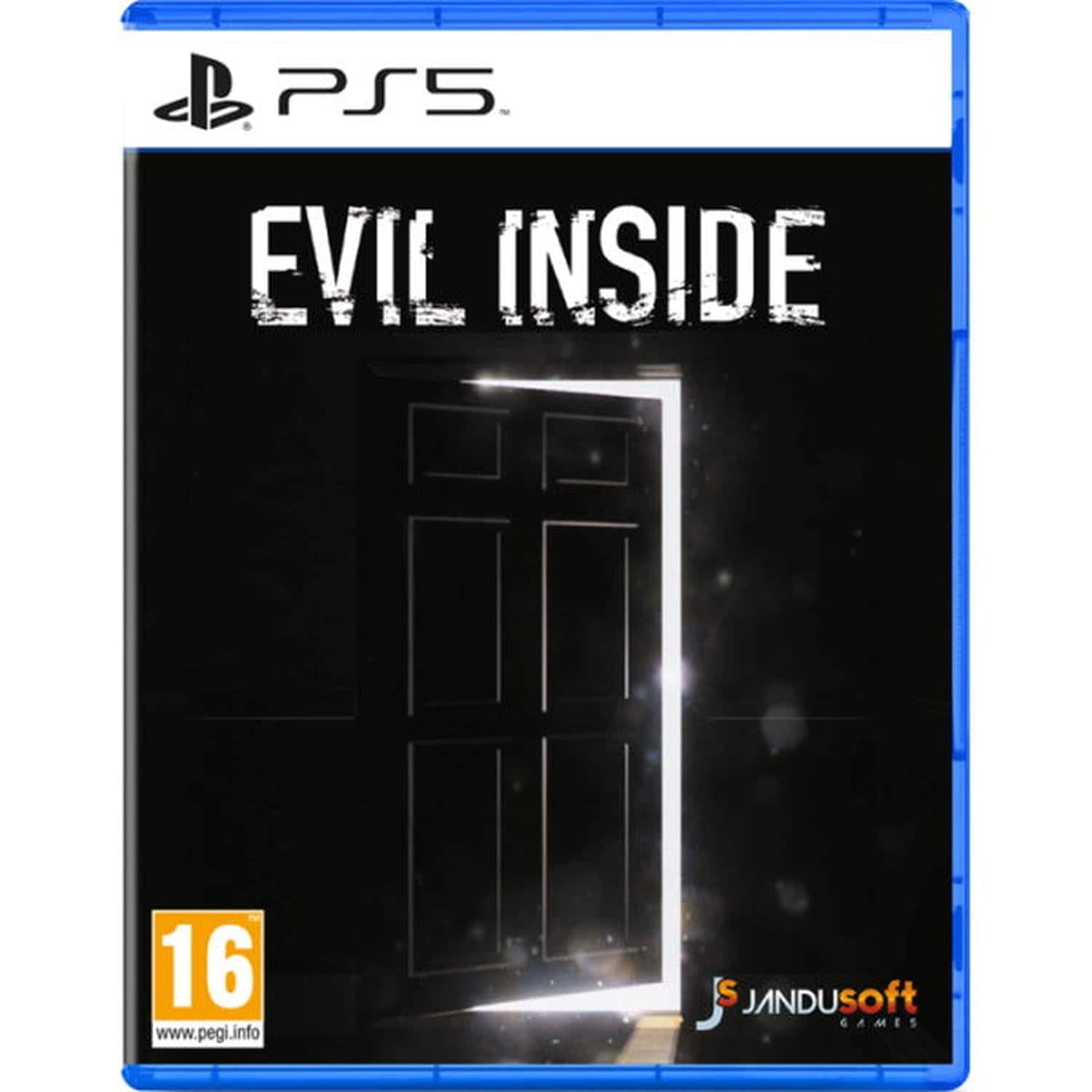 Evil Inside PS5 gameplay showing dark corridor with shifting environment” />
Pros & Cons
What works well:
- Effective atmospheric tension through environmental manipulation
- Interesting psychological premise with genuine emotional stakes
- Minimal reliance on jump scares focuses on sustained dread
- Appropriate sound design that enhances the unsettling mood
- Accessible gameplay for horror newcomers
Where it falls short:
- Technical limitations are apparent throughout the experience
- Gameplay mechanics feel underdeveloped compared to genre standards
- Short playtime makes the $41.70 price point difficult to justify
- Inconsistent narrative execution undermines emotional impact
- Visual presentation doesn’t leverage PS5 capabilities fully
Comparison & Alternatives
When considering Evil Inside, it’s essential to understand how it stacks up against other horror options on PS5. The psychological horror space has several standout titles that provide useful comparison points.
Cheaper Alternative: Layers of Fear ($24.99)
If you’re drawn to psychological horror but want better value, Layers of Fear offers a similar premise with more polished execution. Both games focus on environmental manipulation and psychological unraveling, but Layers of Fear delivers more consistent scares, tighter gameplay, and better production values at nearly half the price. The main trade-off is that Layers of Fear has a more abstract narrative compared to Evil Inside’s family drama focus.
Premium Alternative: The Dark Pictures Anthology ($39.99)
For roughly the same price, The Dark Pictures games offer significantly higher production values, branching narratives, and multiplayer options. While less focused on pure psychological horror, they deliver polished gameplay, professional voice acting, and replay value that Evil Inside can’t match. Choose this if you want cinematic presentation and meaningful choices.
When to choose Evil Inside: Only if you’ve exhausted other options and specifically want an experimental take on psychological horror that prioritizes atmosphere above all else.
Buying Guide / Who Should Buy
Best for horror completionists: If you’ve played every major horror title and are searching for something—anything—new in the genre, Evil Inside offers a unique approach worth experiencing. The environmental shifting mechanic provides moments of genuine unease that hardcore horror fans might appreciate.
Best for atmosphere-focused players: Gamers who prioritize mood and psychological tension over polished gameplay may find Evil Inside’s approach refreshing. The game understands how to build dread through environmental storytelling, even if other elements falter.
Not recommended for: Players expecting AAA production values, those who value tight controls and complex mechanics, anyone looking for lengthy gameplay sessions, or gamers sensitive to technical inconsistencies. If you have limited gaming time or budget, your money is better spent on more polished horror experiences.
FAQ
Is Evil Inside actually scary?
It creates psychological tension rather than relying on jump scares. The horror comes from environmental unease and the protagonist’s deteriorating mental state. If you prefer atmospheric dread over sudden shocks, you’ll find effective moments of horror.
How long does it take to complete?
Most players will finish in 3-5 hours. There’s limited replay value beyond achievement hunting, as the narrative unfolds linearly despite the shifting environment.
Does it run well on PS5?
It’s functional but doesn’t showcase the console’s capabilities. Load times are reasonable, but frame rate dips and visual limitations remind you this isn’t a first-party title.
Is the $41.70 price justified?
This is the most contentious aspect. Given the short length and technical limitations, the price feels high compared to similar horror games. Wait for a sale unless you’re a dedicated horror enthusiast.
How does it compare to other JanduSoft games?
JanduSoft typically publishes budget-friendly titles across various genres. Evil Inside represents one of their more ambitious narrative efforts, though it shares some technical limitations with their other releases.